
High Court Advocate in Noida – Dubey & Associates Law Firm
Legal disputes can be challenging, especially when they involve complex legal procedures, significant financial interests, property matters, family issues, or criminal allegations. Choosing the right legal professional is an important step toward understanding your rights, evaluating your options, and pursuing an appropriate legal remedy. If you are searching for a High Court Advocate in Noida, Dubey & Associates Law Firm can be presented as a legal service provider focused on professional guidance, case preparation, and litigation support.
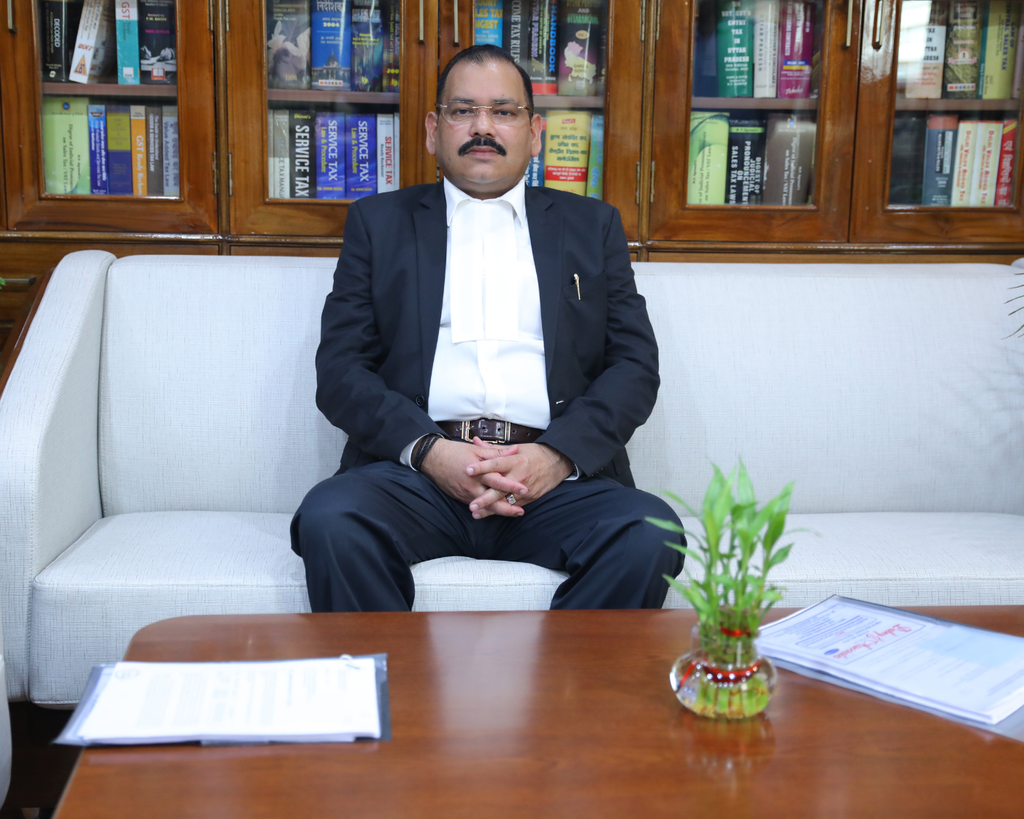
The right legal strategy begins with understanding the facts of a case, examining relevant documents, identifying applicable laws, and determining the appropriate court or legal forum. Whether you require assistance with a civil dispute, criminal matter, family litigation, property disagreement, business conflict, or an appeal, obtaining timely legal advice can help you make informed decisions.
Contact Info
A-32, Sector-65, Noida, Gautam Buddha Nagar, Uttar Pradesh 201301.
+91 98116-03799
Tel. No: 0120- 4316575, 4316585
snd_adv@rediffmail.com
Dubey & Associates Law Firm aims to provide a client-focused approach to legal matters, emphasizing clear communication, confidentiality, procedural awareness, and careful preparation. For individuals, families, business owners, and professionals in Noida, access to legal guidance can make the process of addressing disputes more structured and manageable.
Why Do You Need a High Court Advocate in Noida?
High Courts play a significant role in India’s judicial system. They exercise constitutional jurisdiction, hear appeals in appropriate cases, supervise subordinate courts and tribunals within their jurisdiction, and consider various legal remedies provided by law. However, not every dispute requires a High Court proceeding. Understanding where a case should be filed and which remedy may be available is an essential part of legal consultation.
A High Court advocate can assist with evaluating whether a matter is suitable for proceedings before the relevant High Court, preparing legal documents, reviewing judgments, researching applicable legal principles, and presenting arguments where appropriately instructed and authorized.
For clients living or working in Noida, legal matters may involve courts and authorities in Gautam Buddha Nagar, other districts of Uttar Pradesh, or the Allahabad High Court, depending on jurisdiction. Certain matters may also fall within the jurisdiction of the Delhi High Court or another court, depending on the facts and applicable law.
The appropriate forum depends on factors such as territorial jurisdiction, the nature of the dispute, the parties involved, statutory provisions, and the relief being requested. A legal professional can review these factors before recommending a course of action.
Legal Services Offered by Dubey & Associates Law Firm
1. High Court Litigation and Legal Representation
High Court litigation often involves detailed legal research, procedural compliance, written submissions, and an understanding of applicable judicial precedents. Careful preparation is particularly important when challenging a decision, seeking judicial review, or pursuing an appeal where permitted by law.
Dubey & Associates Law Firm can assist clients in understanding the legal requirements associated with High Court proceedings, subject to the firm’s actual practice areas and the advocate’s professional authorization. This may include preliminary case assessment, document review, drafting support, legal research, and coordination for court representation.
Before initiating litigation, clients should understand the potential remedies, procedural requirements, expected expenses, and possible limitations. A realistic assessment can help them decide whether court proceedings, negotiation, mediation, or another lawful remedy is appropriate.
2. Civil Dispute Resolution
Civil disputes may arise from contractual disagreements, financial claims, property transactions, business arrangements, and other conflicts involving legal rights and obligations. Such matters often require careful examination of agreements, correspondence, payment records, notices, and other supporting documents.
A High Court advocate may become involved in an appropriate civil matter when an appeal, revision, writ petition, or another legally available proceeding falls within the court’s jurisdiction.
The legal approach depends on the underlying facts and the relief sought. In some cases, settlement discussions or mediation may offer a practical alternative to prolonged litigation. In others, formal court proceedings may be necessary to protect a client’s interests.
Dubey & Associates Law Firm can explain relevant legal options and help clients understand the procedural steps involved in addressing a civil dispute, subject to the firm’s verified services.
3. Criminal Law and Bail Matters
Criminal proceedings can have serious consequences for individuals and families. Allegations, arrests, investigations, bail applications, trial proceedings, and appeals require attention to applicable criminal laws and procedural safeguards.
Depending on the facts and jurisdiction, legal assistance may involve reviewing allegations and available evidence, examining procedural issues, preparing applications, or evaluating remedies before the appropriate court.
Certain criminal matters may be brought before a High Court for bail, anticipatory bail where legally available, quashing of proceedings in appropriate circumstances, appeals, revisions, or other relief permitted by law.
Every criminal case is different. The appropriate strategy depends on the allegations, evidence, stage of proceedings, applicable legislation, and relevant judicial decisions. No advocate can responsibly guarantee a particular outcome.
Individuals facing criminal allegations should seek qualified legal advice promptly, particularly when a hearing, investigation, arrest-related issue, or statutory deadline requires urgent attention.
4. Family Law and Matrimonial Disputes
Family disputes can involve emotional stress alongside complicated legal questions. Matters may include divorce, maintenance, child custody, domestic violence proceedings, matrimonial property disagreements, and enforcement or challenge of appropriate judicial orders.
Depending on the applicable law and procedural circumstances, a family matter may be handled by a Family Court, another competent court, or a High Court in an appeal or other proceeding within its jurisdiction.
Legal consultation can help clients understand their rights, identify relevant documents, assess available remedies, and consider whether settlement or mediation may be appropriate.
When children or dependent family members are involved, decisions must take account of the applicable legal framework and the circumstances of the case. A careful and sensitive approach can help clients understand the process without creating unrealistic expectations.
5. Property and Real Estate Disputes
Property-related disputes are common in growing urban areas such as Noida. Issues may arise from ownership claims, builder-buyer agreements, delayed possession, contractual breaches, inheritance, partition, land records, and disagreements concerning property rights.
The correct legal remedy depends on the nature of the property, the parties involved, the documents available, and the authority or court empowered to decide the matter. Some disputes may require proceedings before civil courts, consumer commissions, real estate regulatory authorities, or other competent forums rather than directly before a High Court.
A High Court advocate may assist when a matter involves an appropriate appeal, writ petition, or other proceeding within the court’s jurisdiction.
Clients should preserve sale deeds, allotment letters, payment receipts, possession documents, correspondence, notices, and relevant orders. Reviewing these materials can help establish the factual background and identify the legal issues requiring attention.
6. Writ Petitions and Constitutional Remedies
Writ jurisdiction is an important feature of the Indian legal system. Article 226 of the Constitution empowers High Courts to issue certain writs for the enforcement of fundamental rights and for other purposes within the scope of their jurisdiction.
Writ petitions may arise in appropriate cases involving unlawful administrative action, jurisdictional errors, failure to perform a public duty, or other legally reviewable decisions. However, the availability of this remedy depends on the facts, applicable law, alternative remedies, and judicial principles.
A writ petition is not automatically appropriate whenever a person disagrees with an authority’s decision. The legal grounds must be carefully examined, and the relief requested must be supported by relevant facts and law.
Dubey & Associates Law Firm can provide information about the legal assessment and documentation that may be required for a potential writ proceeding, subject to its actual areas of practice.
7. Appeals, Revisions, and Challenging Court Orders
A party who believes that a judgment or order contains a legal error may have the right to pursue an appeal, revision, review, or another remedy where the law permits. Each remedy has specific conditions, limitations, and procedural requirements.
An appeal generally requires an examination of the impugned judgment, relevant pleadings, evidence, legal grounds, and applicable precedents. Some orders are appealable as of right, while others require permission or are subject to different statutory conditions.
Time limits are particularly important. Delays may affect the availability of relief, although the law may permit condonation in certain circumstances.
A legal consultation can help determine which remedy may be available, which court has jurisdiction, what documents are needed, and whether an urgent application should be considered.
8. Commercial and Business Litigation
Businesses may face disputes involving contracts, outstanding payments, partnership arrangements, shareholder disagreements, service agreements, commercial property, and other legal obligations.
Commercial disputes can affect business operations, cash flow, reputation, and professional relationships. Early legal assessment may help businesses identify contractual rights, evaluate risks, and determine whether negotiation, mediation, arbitration, or litigation is appropriate.
Depending on the amount involved and the nature of the dispute, a matter may fall before a commercial court, arbitral tribunal, or another competent forum. High Court involvement may arise in specified appeals, arbitration-related proceedings, or other matters permitted by law.
Businesses should maintain organized contracts, invoices, purchase orders, communications, account statements, and payment records. Proper documentation can help a legal professional assess the strengths and limitations of a potential claim.
Our Legal Process: From Consultation to Case Preparation
Step 1: Initial Legal Consultation
The first step is to understand your legal concern. During an initial consultation, clients can explain the background of the dispute, identify the parties involved, and describe any action already taken.
Relevant details may include existing court proceedings, notices received, prior orders, pending deadlines, and the relief being sought. Clear information allows the legal professional to identify the central questions that require further examination.
Step 2: Document Review and Legal Assessment
Documents can play a decisive role in determining the available legal options. Depending on the matter, these may include agreements, notices, judgments, police documents, administrative orders, property records, and relevant correspondence.
A legal assessment considers the applicable legislation, jurisdiction, procedural requirements, evidence, and possible remedies. It should also identify weaknesses, risks, costs, and any additional information required before proceeding.
Step 3: Strategy and Case Planning
After reviewing the available information, the advocate can explain potential courses of action. These may include responding to a legal notice, pursuing settlement, filing an application, initiating proceedings, or challenging an existing order.
The appropriate strategy should reflect the client’s objectives, legal position, urgency, and practical circumstances. No single approach is suitable for every dispute.
Step 4: Drafting and Filing
Court proceedings require documents that comply with applicable procedural rules. Depending on the case, these may include petitions, appeals, applications, affidavits, written submissions, replies, and supporting annexures.
Accurate drafting and organized documentation help present the relevant facts and legal grounds clearly. Filing requirements, court fees, limitation periods, and supporting documents must be checked according to the particular proceeding.
Step 5: Court Proceedings and Follow-Up
Once a matter is filed, it may involve listing, preliminary hearings, notices, responses, interim applications, arguments, and subsequent orders. The timeline depends on the court, case category, procedural developments, and workload.
Clients should receive clear explanations of important developments and the next steps that may be required. Where representation is undertaken, responsibilities and communication arrangements should be clarified at the beginning of the engagement.
Why Choose Dubey & Associates Law Firm?
Client-Focused Legal Guidance
Every legal dispute has its own circumstances. A client-focused approach begins with listening carefully, identifying the central issue, and explaining possible options in understandable language.
Clients should be able to ask questions about the legal process, required documents, likely stages, and practical implications before making an informed decision.
Careful Case Preparation
Legal proceedings often depend on accurate facts, appropriate documents, and well-supported legal arguments. Organized preparation helps identify relevant issues and reduces the risk of overlooking important procedural requirements.
The extent of preparation required depends on the complexity and stage of the case.
Clear Communication
Legal terminology and court procedures can be unfamiliar to many clients. Clear communication helps people understand what is happening, what information is needed, and what decisions may require their attention.
Clients should be informed about material developments, relevant deadlines, and the next steps in their matter.
Confidentiality and Professional Responsibility
Legal matters may involve sensitive personal, financial, family, or business information. Information should be handled in accordance with applicable professional obligations and legal requirements.
Clients should share relevant documents through appropriate channels and clarify the scope of representation before formally engaging an advocate.
Transparent Fees and Expectations
Before beginning legal work, clients should seek clarity about professional fees, court fees, administrative expenses, drafting charges, and any other applicable costs.
The total cost may depend on the nature of the proceeding, its complexity, the number of hearings, and the work required. A responsible legal engagement should avoid promises of guaranteed success or unsupported claims about the time a case will take.
High Court Legal Assistance for Clients in Noida
Noida is part of Gautam Buddha Nagar district in Uttar Pradesh and is connected to several important legal and administrative jurisdictions. However, the location of a client alone does not determine which High Court can hear a case.
The Allahabad High Court has jurisdiction over Uttar Pradesh, with its principal seat at Prayagraj and a bench at Lucknow. The Delhi High Court serves the National Capital Territory of Delhi. The appropriate court depends on the relevant territorial and subject-matter jurisdiction, statutory provisions, and circumstances of the dispute.
Before engaging a High Court advocate, clients should confirm the advocate’s enrollment, relevant experience, actual practice areas, and ability to appear in the required court. If a matter requires representation by an advocate authorized to practice before a particular court, the arrangement should be confirmed in advance.
Dubey & Associates Law Firm can be contacted to discuss a legal concern, understand the initial consultation process, and determine whether the matter falls within the firm’s services.
Documents to Prepare Before Meeting a High Court Advocate
Preparing documents in advance can make an initial consultation more productive. The exact requirements depend on the type of case, but the following materials may be relevant:
- A brief chronological summary of the dispute.
- Copies of relevant court judgments and orders.
- Legal notices, replies, and correspondence.
- Agreements, contracts, and supporting records.
- Property documents or financial records, where relevant.
- Police documents or investigation-related records, where applicable.
- Details of pending cases, hearing dates, and statutory deadlines.
- Copies of earlier petitions, applications, or written submissions.
Clients should bring authentic and complete records wherever possible. If an important document is unavailable, they should explain this during the consultation rather than making assumptions about its contents.
Take the Next Step with Dubey & Associates Law Firm
Legal disputes can become more difficult when important deadlines are missed or the wrong remedy is pursued. Seeking advice at an appropriate stage can help you understand your rights, assess your options, and plan the next steps.
Whether your concern involves a civil dispute, criminal proceeding, property matter, family issue, commercial disagreement, writ petition, or challenge to an existing order, the first step is to obtain a case-specific legal assessment.
Dubey & Associates Law Firm invites individuals, families, and businesses seeking legal guidance in Noida to make an inquiry about their requirements. Explain the nature of your concern, identify any pending proceedings, and provide the relevant documents so the appropriate legal options can be considered.
Contact Dubey & Associates Law Firm to discuss your legal matter and understand the next steps toward seeking an appropriate legal remedy.
Frequently Asked Questions (FAQs)
1. How can I find a High Court Advocate in Noida?
Start by identifying the nature of your dispute and the court that has jurisdiction. Check the advocate’s enrollment, relevant experience, practice areas, and ability to appear before the required court. You can contact Dubey & Associates Law Firm to inquire about its services and consultation process.
2. Can a High Court advocate help with civil disputes?
Yes, a High Court advocate may assist with civil appeals, revisions, writ petitions, and other proceedings that fall within the court’s jurisdiction. However, many civil disputes must initially be filed before a competent lower court or another appropriate forum.
3. Which High Court handles cases from Noida?
The Allahabad High Court generally exercises High Court jurisdiction over Uttar Pradesh, including matters arising in Noida, subject to applicable jurisdictional rules. The appropriate court and bench depend on the case and the applicable legal provisions.
4. Can I approach a High Court directly for a legal dispute?
In some circumstances, yes. Certain writ petitions and other proceedings may be initiated directly before a High Court. However, the appropriate remedy depends on the facts, statutory provisions, jurisdiction, and availability of alternative legal remedies.
5. Can a High Court advocate help with criminal cases?
A High Court advocate may assist with legally available criminal remedies, including certain bail applications, appeals, revisions, and petitions seeking appropriate relief. The available remedy depends on the allegations, procedural stage, applicable law, and jurisdiction.
6. What documents should I bring for a legal consultation?
Bring relevant judgments, court orders, notices, contracts, correspondence, property records, financial documents, or other evidence connected with your case. A chronological summary and details of upcoming hearings or deadlines can also help the advocate understand your situation.
7. How much does a High Court advocate charge in Noida?
Fees vary depending on the advocate, complexity of the case, drafting requirements, number of hearings, and nature of the proceedings. Ask for a clear explanation of professional fees and additional expenses before engaging legal services.
8. How long does a High Court case take?
There is no fixed timeline for every High Court case. Duration depends on the type of proceeding, urgency, court workload, procedural requirements, responses from other parties, and complexity of the legal issues.
9. Can a High Court order be challenged?
A High Court order may be challenged only through a remedy available under the applicable law and procedural rules. Depending on the circumstances, this may involve a review, appeal before a competent forum, or another legally recognized proceeding. Not every order is appealable.
10. Can a High Court advocate assist with property disputes?
Yes, where the matter falls within the advocate’s practice and the relevant court’s jurisdiction. Assistance may concern an appropriate appeal, writ petition, or other proceeding. The correct forum could also be a civil court, consumer commission, real estate authority, or another competent body.
11. Can I consult a High Court advocate before filing a case?
Yes. An initial consultation can help you understand the applicable law, potential remedies, jurisdiction, required documents, procedural deadlines, and possible risks before deciding whether to initiate proceedings.
12. Does Dubey & Associates Law Firm guarantee a favorable result?
No responsible legal professional can guarantee the outcome of litigation. Results depend on the facts, evidence, applicable law, procedural developments, and judicial determination. Clients should seek a realistic assessment of their legal position rather than promises of success.
Conclusion
Choosing a suitable High Court advocate is an important decision when a legal dispute requires careful assessment and effective preparation. Understanding jurisdiction, identifying the correct remedy, organizing documents, and addressing deadlines can help clients approach legal proceedings more confidently.
Dubey & Associates Law Firm provides an inquiry point for individuals and businesses seeking information about legal assistance in Noida. Contact the firm to discuss your requirements, verify the relevant practice areas, and determine the appropriate next steps for your particular matter.
Disclaimer: This content is for general informational purposes and does not constitute legal advice. The firm’s specific services, advocate credentials, court appearances, and professional experience should be independently verified before engagement. Legal remedies and outcomes depend on the facts and applicable law.